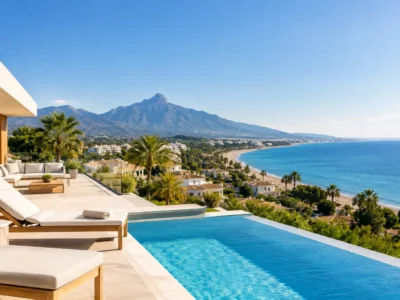

The most desirable new flats on the Costa del Sol are often reserved before the finishing touches are in place. A sea-facing corner terrace in Estepona, a penthouse near Marbella or a golf-side home in Sotogrande can attract serious interest long before completion. To reserve luxury flat in Spain opportunities well, buyers need more than a quick decision: they need clear information, sound due diligence and a reservation process that protects both the lifestyle choice and the investment.
For international buyers, reserving a property is usually the moment when an appealing viewing becomes a committed purchase strategy. It removes the home from the market for an agreed period, giving you time to complete legal checks and progress towards the private purchase contract. The details matter, particularly with off-plan homes, where the quality of the developer, the payment structure and the projected completion date deserve close attention.
What reserving a luxury flat in Spain really means
A reservation agreement is a short document confirming your intention to buy a specific property. In exchange for a reservation payment, the seller or developer agrees to take the flat off the market for a defined period, commonly between 14 and 30 days. During this window, your solicitor can review the paperwork and you can arrange any remaining finance, currency or ownership planning.
It is not the same as completing the purchase. Nor is it a substitute for a legally reviewed private purchase contract. Its purpose is practical: it gives both parties a framework for moving forward while setting out the reservation sum, the property details, the deadline for signing the next agreement and the circumstances in which the deposit may be returned or retained.
With a resale property, the seller may have more flexibility around timing and terms. With a new development, the developer will normally use a standard reservation form and a fixed price list. In both cases, buyers should resist treating the document as a formality. It should identify the exact unit, including its parking spaces, storage room, floor plan and any included furniture or upgrades.
Choose the right flat before you reserve
Luxury is not defined solely by a high specification. On the Costa del Sol, lasting appeal often comes from the relationship between the flat and its setting: an uninterrupted outlook, privacy from neighbouring terraces, walkable access to the beach or marina, or the calm of a secure golf community.
Start by deciding how you expect to use the property. A holiday home may prioritise proximity to Málaga Airport, restaurants and a lock-up-and-leave concierge service. A family base may need generous internal space, year-round amenities and access to international schools. An investment purchase may place greater weight on developer reputation, rental demand, projected running costs and the scarcity of comparable homes in the area.
This distinction changes the shortlist. A sleek frontline beach flat in Estepona may offer immediate rental appeal and an easy Mediterranean rhythm. A residence in Benahavís or Los Flamingos may offer more privacy, elevated views and resort-style facilities. In Sotogrande, the draw may be space, golf, the marina and an established international community — a comparison explored further in our guide to Sotogrande versus La Alcaidesa lifestyle. There is no universally best location; there is the location that best supports your intended ownership.
For off-plan purchases, ask to see more than attractive renders. Review the site plan, orientation, views from the actual plot, communal areas, specification schedule and planned neighbouring phases. A home marketed as south-facing can still receive very different light and privacy depending on its floor, building position and terrace design.
The questions worth answering before signing
Before placing a reservation, establish whether the advertised price includes VAT, parking, storage and any chosen extras. Clarify the anticipated completion date, whether it is an estimate or a contractual commitment, and what happens if construction is delayed.
You should also understand the community model. High-end developments can offer pools, a spa, co-working lounges, security and landscaped grounds, but these features affect service charges. A carefully managed community can be a considerable advantage for an overseas owner. Equally, annual costs should feel proportionate to how you will use the flat.
The reservation process, step by step
Once you have identified the right home, the process should move efficiently but never blindly. A well-managed reservation usually follows four clear stages:
- Confirm availability and terms. The agent verifies that the exact unit is available, confirms the price and obtains the proposed reservation agreement.
- Review the agreement before payment. Your independent Spanish solicitor should check the document, the seller’s identity, the return conditions and the deadline for the next contract.
- Pay the reservation amount securely. The agreement should state where funds are held and provide written confirmation once payment has been received.
- Begin legal and financial checks immediately. Your solicitor will progress due diligence while you finalise mortgage arrangements, currency transfers and the practical structure of ownership.
The reservation amount varies. It may be a modest fixed sum for a new-build flat or a larger amount for a resale home, particularly where the seller has taken the property off the market during a competitive period. What matters more than the figure is the wording around it. If legal checks reveal an issue that cannot be resolved, the agreement should make clear whether the sum is refundable.
An experienced local adviser can help maintain momentum between the developer, your solicitor, mortgage broker and currency provider. The Property Agent approaches this stage as part of the wider acquisition, ensuring buyers understand what they are reserving and what comes next rather than simply securing a unit number.
Due diligence for new-build and off-plan flats
Off-plan flats can offer compelling advantages: contemporary design, energy-efficient systems, lower initial maintenance, staged payments and the chance to choose a prime position early in the release. They also require a different level of scrutiny to a completed resale home.
Your solicitor should verify that the developer has the right to build, that the relevant planning permissions are in place and that bank guarantees or insurance protection are provided for stage payments where required by Spanish law. They should review the building specification, the payment schedule, the completion date and the terms covering delays, modifications and cancellation. Our guide to buying new developments in Spain covers this process in more depth.
Be realistic about timelines. Construction programmes can move due to weather, supply chains, utility connections or final administrative steps. A delayed completion does not automatically indicate a poor development, but the contract should set out the developer’s obligations and your remedies. Buyers with a fixed move date or a planned rental launch should allow a sensible contingency.
At the same time, do not overlook the value of early selection. The best flats within a development are rarely interchangeable. Higher floors, wider terraces, quieter positions, open views and close access to amenities can all influence future desirability. Reserving early can be an advantage when the underlying project is well located, properly funded and delivered by an established developer.
Budget beyond the purchase price
A confident reservation starts with a complete budget. Alongside the agreed purchase price, buyers should plan for taxes, legal fees, notary and Land Registry costs, mortgage expenses where applicable, and ongoing community charges. New properties and resale homes are taxed differently, so the expected acquisition costs should be calculated for the specific property rather than estimated casually.
For non-resident buyers, currency planning deserves attention as well. Exchange-rate movements between reservation and completion can materially affect the sterling cost of a euro purchase, especially on higher-value homes. Some buyers choose to put a strategy in place before making the reservation payment, rather than leaving the full exposure until completion.
Furniture, window treatments and terrace furnishing are also worth considering early. Many premium developments offer interior design packages, which can simplify the transition to ownership. They are convenient, but not always the only route. Compare the quality, lead times and cost against an independent furnishing plan if personalisation matters to you.
When to pause rather than reserve
The strongest buyers are not necessarily the quickest. Pause if the reservation agreement is vague about refunds, if the advertised inclusions are not documented, or if there is pressure to transfer funds before you have received basic paperwork. The same applies if the flat’s view, parking allocation or legal status cannot be confirmed clearly.
A desirable home should withstand sensible questions. In a competitive market, good properties do require decisiveness, but urgency should come from genuine demand and transparent deadlines, not from uncertainty. A trusted adviser will explain the trade-offs honestly, including when a similarly priced flat in another development may offer better light, lower running costs or stronger long-term appeal.
The right reservation is not simply a way to stop someone else buying the flat. It is the first considered step towards owning a home that feels exceptional when you arrive, performs well while you are away and remains a property you are pleased to hold for years to come.
Ready to reserve your Costa del Sol flat with confidence?
A reservation should be the first considered step towards ownership, not a formality signed under pressure. At The Property Agent, I help buyers understand exactly what they’re agreeing to: the unit, the terms, the protections; before any money changes hands.
If you’re ready to reserve a flat in Marbella, Estepona, Benahavís or Sotogrande, let’s talk through the process, so your reservation protects both your lifestyle choice and your investment.