Buying off-plan means committing to a home that is not built yet. Done well, it can give you a modern property, a choice of unit and a payment schedule spread over the build. Done badly, it can leave you with a late delivery, a different home from the one you were shown, or a deposit that is hard to recover.
These are the ten questions I ask with every client before they reserve anything. Each answer is short here because most of them have their own guide, and I have linked them so you can go deeper where you need to. I work almost exclusively with new-build and off-plan homes on the western Costa del Sol, so this is the list I know best.
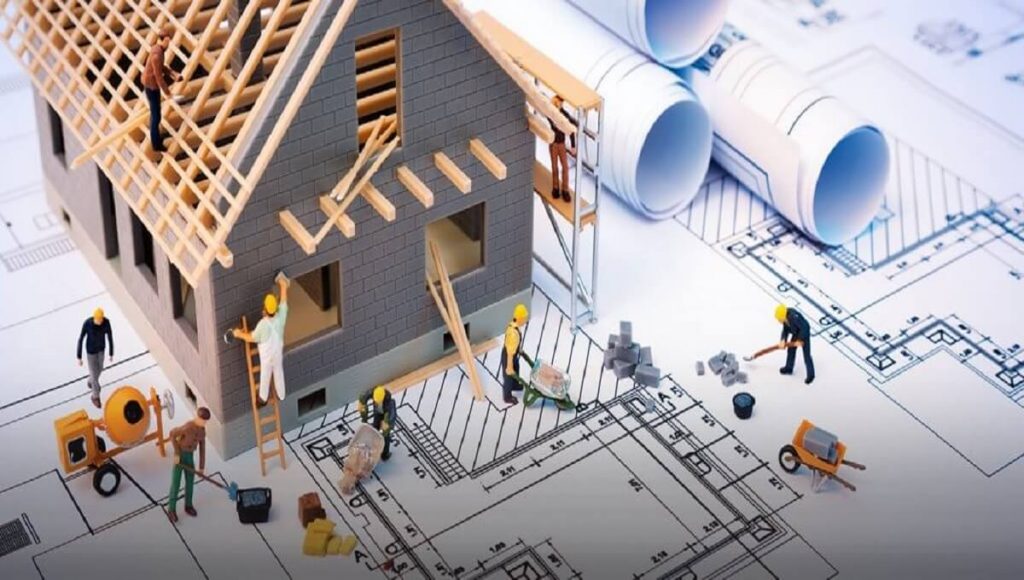
1. What does buying off-plan actually mean?
You sign a contract for a home that is still being built, or has not been started. You decide from plans, a specification document and renders, and you pay in stages until the keys are handed over. Prices at the launch of a phase are often lower than in the final phase, and you usually get the widest choice of units, orientations and finishes.
The flip side is that you are buying a promise. Everything that follows in this list is about turning that promise into something you can rely on. If the idea is new to you, I explain it step by step in what off-plan properties are.
2. What do I really gain, and what is not guaranteed?
The real advantages are choice, a modern specification, current energy and building standards, and a payment plan that does not require the full price on day one. Early buyers can also pick the best position in the development, such as a corner, a top floor or a larger garden.
What is not guaranteed is appreciation. Prices on the Costa del Sol have risen strongly in recent years, but I would never promise you a return, and you should be wary of anyone who does. Whether a project gains value depends on the location, the price you paid against comparable homes and the state of the market on completion. I look at the numbers in off-plan appreciation on the Costa del Sol and at investment approaches in off-plan investment strategies.
3. Is the location right for what I want?
You cannot walk the finished street, so the location has to be right on paper. Think about who you will sell to or rent to later, how far the airport, beach, school and shops really are, and what else is being built nearby. A beachfront home in Estepona, a golf apartment in Sotogrande and a townhouse in Casares serve very different buyers.
If you want to compare areas and see which new developments are on the market now, start with new developments on the Costa del Sol.

4. Who is the developer, and have they delivered before?
The developer matters more than the brochure. Look for finished projects you can visit, ask owners how delivery and aftercare went, and check whether past projects arrived on the dates promised. A glossy launch from a company with no track record is a risk, however good the renders look.
I explain what to check in developer reputation before buying a Costa del Sol home, and what the developer is legally obliged to stand behind once you have the keys in developer warranties and aftercare.
5. How is my money protected during construction?
This is the question that matters most. Under Spanish law, a developer who takes staged payments from a buyer before the home is finished must guarantee those payments with a bank guarantee or insurance, and must hold the money in a dedicated account. If the home is not delivered, you can claim the amounts back under that guarantee.
Never pay a deposit without asking for the guarantee in writing for that specific payment. The full explanation, including how the protection works in practice, is in how your deposit is protected when you buy off-plan.
6. What does the contract say, and who is reading it for me?
Reservation contracts are usually short and the main purchase contract is long. The wording on completion date, penalties for delay, what happens if the specification changes and how you can withdraw is where buyers get caught. Brochures and renders are not binding unless the contract refers to them.
Appoint your own independent lawyer before you reserve, not the developer’s lawyer and not someone the seller recommends. I have written about how to choose a Spanish lawyer. If you do not yet have a Spanish tax number, read how to get an NIE early, because you need it to sign. The whole sequence, from reservation to keys, is in a guide to buying new developments in Spain.

7. Does the project have a valid building licence?
A project can be on sale before everything is in order. Ask for the building licence (licencia de obra), check that the plans you are buying match the licensed plans, and have your lawyer confirm the land is registered in the developer’s name and is free of charges other than the construction loan. Later, the licence of first occupation is what allows the home to be legally lived in and connected to utilities.
I show how to check this in how to verify planning permission in Spain.
8. What will the purchase really cost?
On a new build you pay VAT (IVA), generally 10 per cent on a home, plus stamp duty (AJD), plus notary, registry and legal fees. Rates and rules can change, so confirm them with your lawyer or tax adviser before you commit. Budget as well for the community fees and the annual taxes of owning in Spain. I cover them in the taxes that apply when buying property in Spain and the cost of owning property in Spain.
If you need a mortgage, speak to a lender early and understand that staged payments change how the borrowing works. See how to finance a new build home in Spain and non-resident mortgages on the Costa del Sol.
9. What happens when the home is finished?
Before you pay the final instalment, inspect the home against the specification, list every defect in writing and give the developer a deadline to fix them. Once you complete, Spanish law gives you statutory protection for defects: ten years for structural problems, three years for habitability defects and one year for finishing defects. That is another reason to work with a developer who answers the phone.
For what to look for and how to record it, read how to inspect new builds before completion.
10. Who looks after it, and does it work as an investment?
If you plan to rent the home, ask early who will manage it, what the community rules say about holiday lets and what the local licence situation is. I focus on sales rather than rental management, so I will tell you plainly when a project does not suit letting rather than sell you a yield that may not exist. The rental side of new builds is in rental potential of new builds in Spain.
If you are still deciding between a new home and an older one, new build versus resale in Spain sets the two side by side.
Where to go next
I keep an up-to-date overview of what is being built, area by area, in new developments on the Costa del Sol. For the full list of homes currently for sale, you can also browse the off-plan properties on my website.
Thinking about buying off-plan on the Costa del Sol?
If you would like help with the areas, the developers or the paperwork, let’s talk. Get in touch and I will help you build a shortlist and check each project before you reserve.