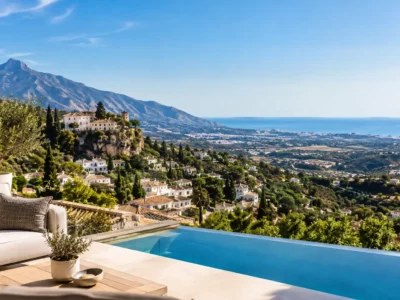

A home overlooking a fairway can deliver the Costa del Sol lifestyle at its most refined: morning light across immaculate greens, space between neighbours, and a golf club moments from the door. Yet knowing how to evaluate golf property means looking beyond the view. The best purchase balances the emotional pull of the setting with practical details that protect comfort, resale appeal and long-term value.
For some buyers, golf is central to daily life. For others, the course provides scenery, privacy and a prestigious address rather than a regular tee time. Both can make excellent reasons to buy, but they lead to different priorities when choosing a villa, townhouse, penthouse or new-build residence.
How to evaluate golf property beyond the view
A beautiful golf outlook is valuable, but not every golf-facing position is equal. Start with the home’s exact relationship to the course. Is it on the first line, slightly elevated behind another row of homes, or beside a practice area? Visit at different times if possible. A south-facing terrace above a quiet stretch of fairway offers a very different experience from a garden directly beside a busy tee box.
First-line property often commands a premium because the outlook is protected and immediate. However, it can bring early-morning maintenance activity, occasional wayward balls and less privacy where golfers pass close to the boundary. Mature landscaping, thoughtful orientation and adequate distance from play can make a second-line home feel more private while preserving wide views.
Consider what you can see from the rooms you will use most. A property may be marketed for its golf views, but the real value lies in whether the principal suite, living area, kitchen and outdoor entertaining spaces benefit from them. In premium locations such as Sotogrande, Benahavís and Casares, elevated plots can combine fairway, mountain and Mediterranean views, creating a stronger lifestyle proposition than golf alone.
Assess the course, club and wider setting
The quality of the adjacent course matters. A respected, well-maintained club with a loyal membership supports the address and usually attracts a more discerning residential community. Look at course condition, clubhouse facilities, practice areas, dining, security and the overall standard of nearby homes. These signals influence both daily enjoyment and future buyer demand.
It is equally useful to understand the club’s long-term position. Ask whether it is privately owned, part of a resort, or dependent on hotel and visitor traffic. Enquire about planned improvements, membership arrangements and whether residents receive preferential access. A famous course may be an asset, but a smaller club with excellent management, strong local participation and a welcoming atmosphere can be just as compelling.
The surroundings deserve the same attention. Golf property is often chosen for tranquillity, but buyers should still consider journey times to beaches, international schools, supermarkets, dining and healthcare. The strongest locations combine a calm resort atmosphere with easy access to the everyday essentials that make a second home effortless to use.
In the western Costa del Sol, for example, San Roque Club, La Alcaidesa and Sotogrande appeal to buyers seeking space, established courses and proximity to Gibraltar. Around Estepona, El Paraíso and Los Flamingos offer a more connected blend of golf, beaches and amenities. The right choice depends on whether you want a private retreat, a family base or a property with broad rental and resale appeal.
Examine privacy, noise and practical exposure
Golf communities are generally peaceful, but they are not silent. Maintenance teams may begin work early, while tournaments, club events and summer activity can change the rhythm of the area. Stand on the terrace, open the windows and listen. You are assessing more than noise levels: you are testing whether the property feels sheltered and private.
Golf balls are another practical consideration. Homes close to tee boxes, doglegs and greens may have protective netting, reinforced glazing or carefully designed planting. These measures are not necessarily a concern, but they should be visible and well executed. Ask the owner or developer whether there have been incidents, and inspect external areas for signs of damage.
Orientation is equally important on the Costa del Sol. South and south-west facing homes are sought after for winter sun, but they can become intensely warm in midsummer. Covered terraces, deep overhangs, pergolas and intelligent landscaping are valuable, particularly for buyers who plan to spend long periods in residence. A home that photographs beautifully at noon should still be comfortable for breakfast in August and dinner in January.
Compare ownership costs with the real lifestyle return
A golf address can involve higher running costs, especially in gated developments with landscaped grounds, security, pools and concierge services. Request the most recent community budgets and meeting minutes, then establish whether any extraordinary works or special contributions are anticipated. The annual IBI property tax, rubbish collection charge, insurance, utilities and maintenance should also be included in your ownership calculation.
For villas, assess garden and pool upkeep carefully. A large plot facing a course may be attractive, but it requires regular irrigation and professional care. Water-efficient planting, modern irrigation systems and sensible plot design can reduce the ongoing commitment without compromising the setting.
If membership is part of the attraction, clarify its cost and flexibility. Some communities include golf privileges, while others offer discounted rates or entirely separate memberships. Do not assume that a home within a golf resort includes playing rights. A serious golfer may justify a higher purchase price for easy club access; a non-golfer may prefer to pay for a superior view rather than an expensive membership they will rarely use.
Evaluate new-build and off-plan golf homes with care
New developments near golf courses are popular because they often pair contemporary design with resort-style facilities, energy efficiency and lock-up-and-leave convenience. They can be especially appealing to international owners who want a low-maintenance base with a pool, gym, security and professional community management.
The key is to distinguish between a compelling brochure and a genuinely strong scheme. Review the site plan, orientation, building heights and future phases. A current fairway view may be less secure if land between the property and course is allocated for further development. Ask what planning permissions exist nearby and where access roads, commercial facilities or infrastructure may be introduced.
Developer reputation matters too. Buyers should understand the delivery timetable, specifications, payment schedule, bank guarantees and what is included in the price. Premium finishes, parking, storage, landscaping and furniture packages can vary considerably. Where a show home is available, treat it as an indication rather than a promise, and ensure the contractual specification is equally clear.
Think like the next buyer
Even when buying for personal enjoyment, resale should shape the decision. The broadest demand usually sits with homes that combine golf proximity with strong architecture, practical layouts, outdoor living and convenient access to the coast. A spectacular but isolated property may suit a particular buyer perfectly, while a well-designed home near a recognised club and established amenities is often easier to resell.
Rental potential can support an investment case, but it should be assessed realistically. Golf tourism creates demand in spring and autumn, while families may prioritise pools, beaches and nearby leisure options in summer. Check the community rules, local licensing requirements and whether short-term rentals are permitted before relying on projected income. A property designed for owner enjoyment may still rent well, but rental performance should never be assumed from location alone.
Look for qualities that remain desirable even if the buyer is not a golfer: privacy, a generous terrace, views, security, parking, efficient climate control and a polished communal environment. These are the details that turn a specialist golf home into a resilient luxury property.
Questions to answer before making an offer
Before committing, make sure you can answer a few straightforward questions with confidence. What protects the view and privacy? How close is the property to active areas of the course? What are the full annual ownership costs? Is the development complete, or could future building affect the setting? Finally, would the home still feel exceptional to a buyer who values the Mediterranean lifestyle more than golf?
A considered golf property purchase should feel like more than a scenic address. When the course, home, community and surrounding area are aligned, it becomes a place to enjoy in every season and an asset that holds its appeal long after the first round has finished.