The appeal of Estepona Old Town starts with a simple daily pleasure: stepping out of a calm, whitewashed street into a square full of flowers, and reaching the beach or the marina on foot. For buyers who want the Costa del Sol to feel lived-in rather than seasonal, the historic centre offers Andalusian character, everyday convenience and a lifestyle you can live without a car.
This is not a market of identical floorplans. Each street has its own rhythm, and each property has to be judged on its own merits. The reward is a home with personality in one of Estepona’s most lasting locations.
What Makes Estepona Old Town Special
Estepona has invested steadily in its centre. Pedestrian lanes, painted façades, flower pots and well-kept squares give the old town a polished feel without removing its local identity. Cafés, independent shops, food stalls and everyday services serve residents first and visitors second, which is why the town keeps its life outside the summer.
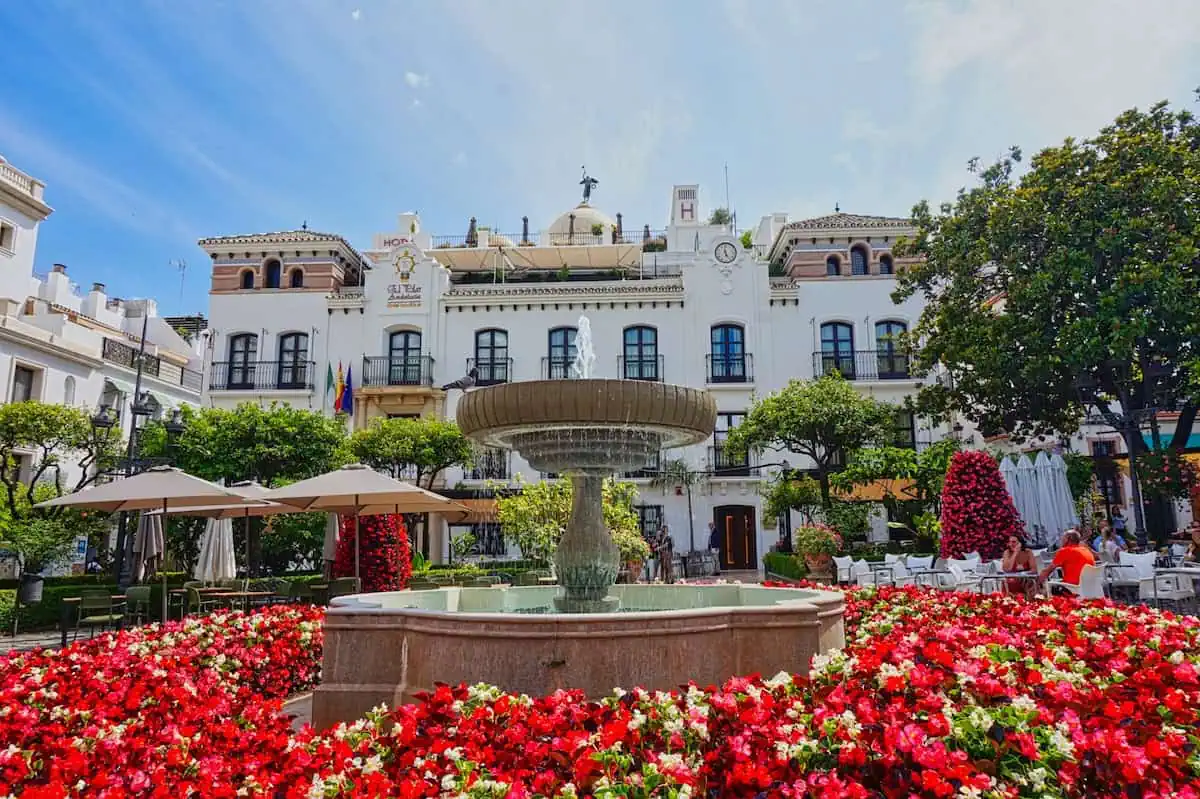
Calle Real and Calle Terraza give you the classic Andalusian feel, with Plaza de las Flores at the heart of it, and the smaller side streets are calmer and often brighter. A car is useful for golf, the airport and exploring the coast, but you do not need one for a morning coffee, dinner or the beach. That convenience is especially valuable if you divide your year between Spain and another country.
If you are still deciding whether the old town or another part of the municipality suits you, compare them in where to live in Estepona, and the seafront in the marina and seafront guide.
The Homes You Will Find in the Historic Centre
The old town offers variety, which is both its strength and the reason selection matters.
- Renovated townhouses: the most sought-after type. Two or three floors, often a roof terrace and sometimes original details such as timber doors, tiled stairs or interior patios. Layouts tend to be narrow, there are many stairs, and private parking is unusual.
- Boutique apartments: in small buildings or converted houses. Easier to maintain, sometimes with a lift, but with less outdoor space.
- Unmodernised houses: for buyers who want a bespoke home. Budget the works and check the permitted changes before you make an offer.
- Modern homes on the edge of the centre: limited in number, with lifts, efficient layouts and often parking.
Penthouses and homes with generous terraces are scarce in the historic core. When a well-finished property combines outdoor space, privacy and an easy walk to the beach, it tends to draw strong interest.
Micro-Areas, Noise and Light
The old town is compact, but the experience changes a lot from one street to the next. Close to Plaza de las Flores it is lively and social. One or two blocks back, evenings are usually quieter. Wide crossings and south or south-west exposures bring light all year, while very narrow lanes stay cooler and darker: great in August, less so in January.
Some practical checks that decide whether a home works:
- Visit at different times of day: morning for deliveries, late afternoon for light, evening for restaurant noise.
- Test your parking on a Tuesday at 18:00 and on a weekend.
- Walk the real route to the beach and the supermarket.
- Look at what is below the bedroom window: a café terrace, a bin collection point, a delivery lane.
Buying in the Old Town: What to Check
Renovations, licences and protected buildings
Some façades and elements in the historic centre are protected. That does not stop good design, but it limits what you can change. Before an offer, check planning permission and licences for any previous works, including roof terraces, plunge pools and added floors, and make sure what exists on the ground matches what is registered. An independent lawyer should verify the title, charges and planning status, and a surveyor or architect can find what photos and fresh paint do not show: damp, roof condition, drainage, electrics and ventilation. I explain how to choose a lawyer in how to choose a Spanish lawyer.
Townhouse or apartment?
An apartment is easier to maintain and closer to lock-up-and-leave, but many are above cafés or shops, so check sound insulation and opening hours. A townhouse brings a patio or roof terrace and scope to personalise, but needs more attention to structure, services and party walls, and it is not automatically a low-maintenance home. In converted buildings, read the community minutes, the budget, upcoming works and any rule on holiday letting.
Costs beyond the price
Budget for the purchase taxes (ITP on resale in Andalusia, see the taxes that apply when buying property in Spain), notary and registry fees, legal costs, insurance and the likely renovation. A low asking price can stop being attractive if the roof or façade needs work. A fully renovated home may cost more and remove much of the uncertainty.
Old Town, Seafront or New-Build?
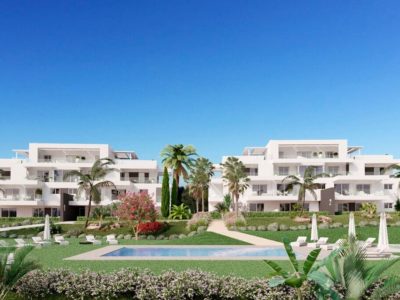
The old town cannot match every resort amenity, and that is the reason many buyers choose it. Its value lies in scarcity, walkability and a sense of place a new scheme cannot copy. A restored townhouse with a roof terrace is a very different experience from an apartment in a gated community, even at a similar budget. If you want a pool, underground parking and predictable costs, look at the newer areas in my review of Estepona’s new developments.
Some buyers combine both over time: a low-maintenance new-build for family holidays now, and a character house in the centre later.
Lifestyle Purchase, Rental Asset or Both?
The old town attracts British and European second-home buyers, retirees and families who want a more authentic base. A well-presented home can appeal to both resale buyers and holiday renters, but rental income should not be treated as automatic. Holiday letting depends on regional registration, local rules and, in flats, on the community statutes, and managing guests in a dense residential setting has its own practical limits. If the plan includes letting, ask for the licence position in writing and read tourist rentals in Andalusia.
Quick Answers Before You Book a Viewing
Is the old town noisy at night? It depends on the street and the season. Test your preferred lanes at the times you will use them.
How close is the beach, really? Several routes to La Rada take a few minutes on foot. Walk them yourself with a beach bag before you decide.
Light or quiet? You can have both on a calmer street with a south exposure, but you may give up some of the postcard atmosphere.
Are renovations complicated? They are manageable with a good team and clear checks on planning, structure and community rules.
Looking for a home in Estepona’s historic centre?
If a walkable, character-filled address is what you want, get in touch and tell me about your plans. I will help you compare streets and properties, and you can also browse the properties for sale in Estepona on my website. For the wider town, see my Estepona area guide.